Cycling Trip Around Paris: A Royal Immersion Among Castles, Forests, and Historical Figures
Bartlomiej Koc
Discovering the Paris region beyond the capital allows access to a heritage of exceptional richness. Just a few kilometers from the urban hustle, a territory unfolds where royal residences, deep forests, artistic villages, and landscapes shaped by history intermingle. Exploring this environment, especially by bike, transforms the journey. One no longer just visits monuments; one travels through centuries, lifestyles, and artistic inspirations.
This trip around Paris reveals an elegant countryside deeply marked by royalty. Between prestigious architecture, inspiring nature, and cultural heritage, this cycling trip offers a complete view of French history and way of life.
The Castles: Witnesses of Power, Art, and French Refinement
Fontainebleau: A Palace Across the Centuries
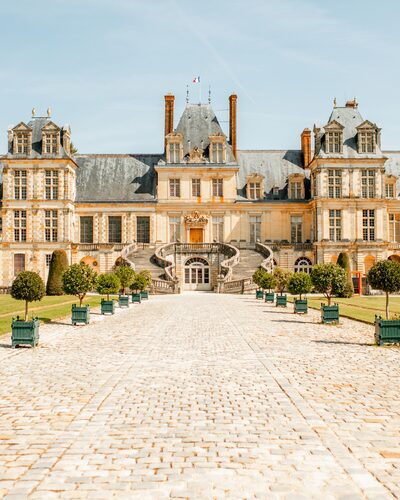
The Château de Fontainebleau is often the first stop on a royal itinerary. Its uniqueness lies in its ability to condense eight centuries of history into a single site. From François I to Napoleon I, every sovereign left their mark there. Renaissance architecture blends with French classicism and imperial touches, creating a rich and harmonious ensemble. The royal apartments reveal extreme refinement in decorative arts, with sculpted ceilings, frescoes, and period furniture that tell the story of the daily life and magnificence of sovereigns. The courtyards, galleries, and monumental staircases invite wandering. Meanwhile, the gardens, designed according to varied aesthetic principles, offer changing perspectives and atmospheres depending on the season. They allow visitors to feel the atmosphere of a place inhabited and alive across the centuries. Napoleon even made his farewell to the Imperial Guard here—a historical scene that still resonates today in every corridor of the palace.
Vaux-le-Vicomte: Fouquet’s Masterpiece
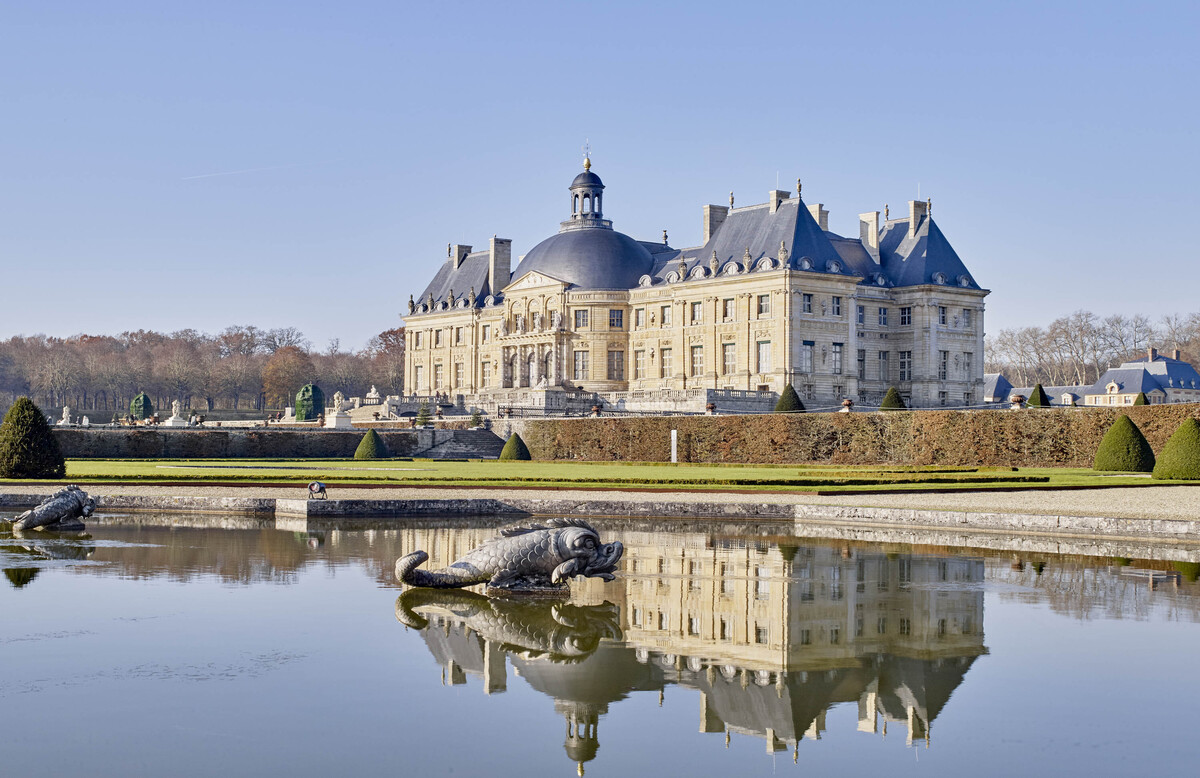
The Château de Vaux-le-Vicomte is a perfect example of the grandeur of the Grand Siècle. Designed by the architects Le Vau, Le Brun, and Le Nôtre for the superintendent of finances Nicolas Fouquet, it embodies perfect harmony between architecture, decoration, and gardens. Every element, from the geometric layout of the paths to the sculpted fountains, reflects the ambition of a man who sought to rival royal magnificence. The richly decorated interiors reveal a strong taste for luxury and harmony, while the gardens form a true living work of art. The perspectives, pools, and groves create a visual symphony that changes with the light of day and the seasons.
Blandy-les-Tours : la forteresse médiévale
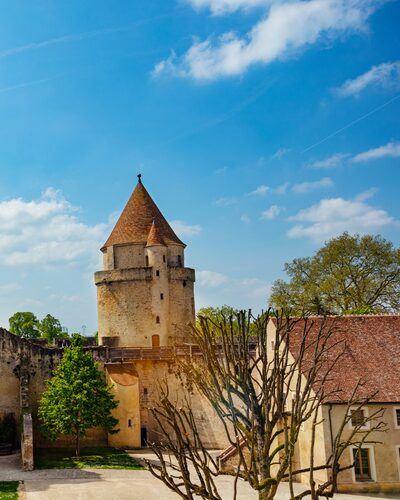
The Château de Blandy-les-Tours offers a striking contrast to the sophistication of Vaux-le-Vicomte. Here, history is read in raw stone and in the defensive purpose of the structures. Round towers, imposing ramparts, and moats evoke a time when security took precedence over appearance, and fortresses served as refuges and centers of command. Every wall and walkway tells the daily life of knights and medieval inhabitants, their defense strategies, and how they occupied space. Blandy-les-Tours preserves an authentic and almost timeless atmosphere. It completes the traveler’s experience by offering a pragmatic and realistic glimpse into medieval architecture, far from the splendor of the Grand Siècle.
Rambouillet: Elegance and Intimacy
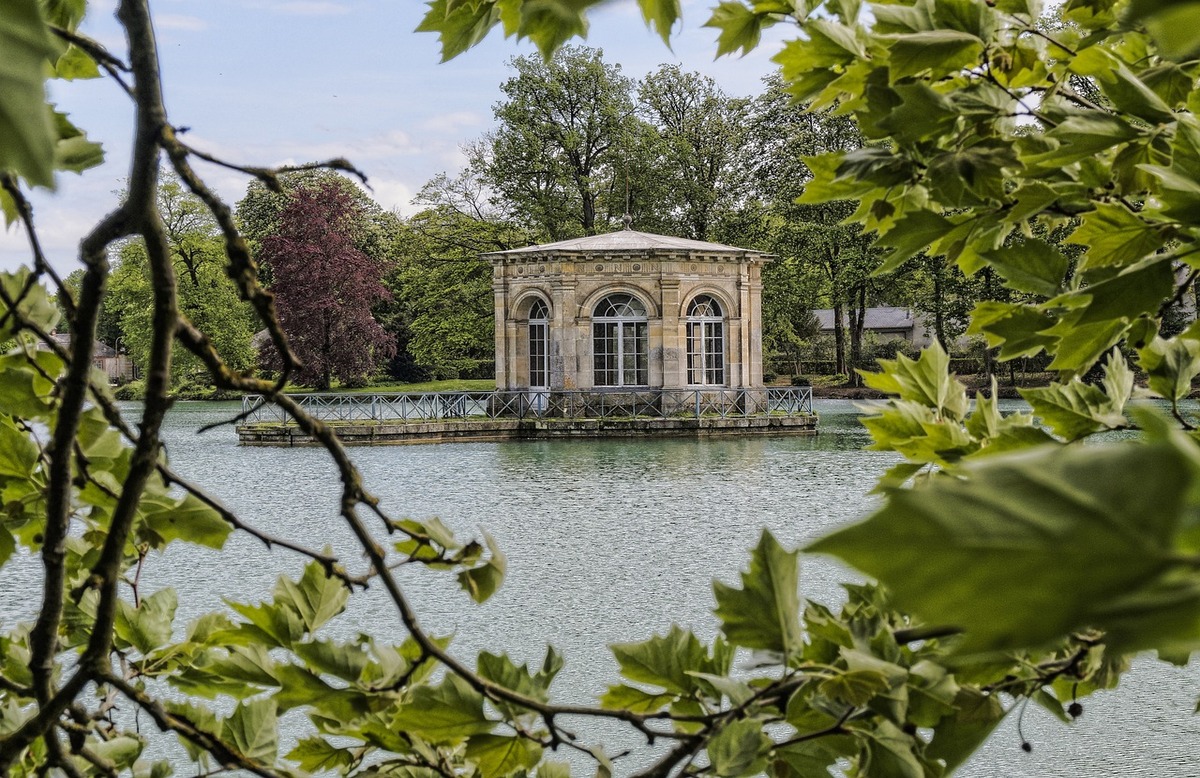
The Château de Rambouillet represents another facet of royal heritage: elegance and intimacy. A hunting residence of François I, later transformed by Louis XVI and Marie-Antoinette and frequented by Napoleon I and French presidents, it offers a historical panorama that spans eras and functions of power. The Shell Cottage, with its marine mosaics and refined decoration, illustrates a taste for fantasy and artistic subtlety. Rambouillet shows that royal heritage is not limited to extravagance; it can be discreet, elegant, and deeply human. Its intimate salons, parks, and shaded paths invite strolling and discovery, creating a more personal and introspective experience than monumental palaces.
Versailles: The Apex of Absolute Power
jessica-kantak-bailey
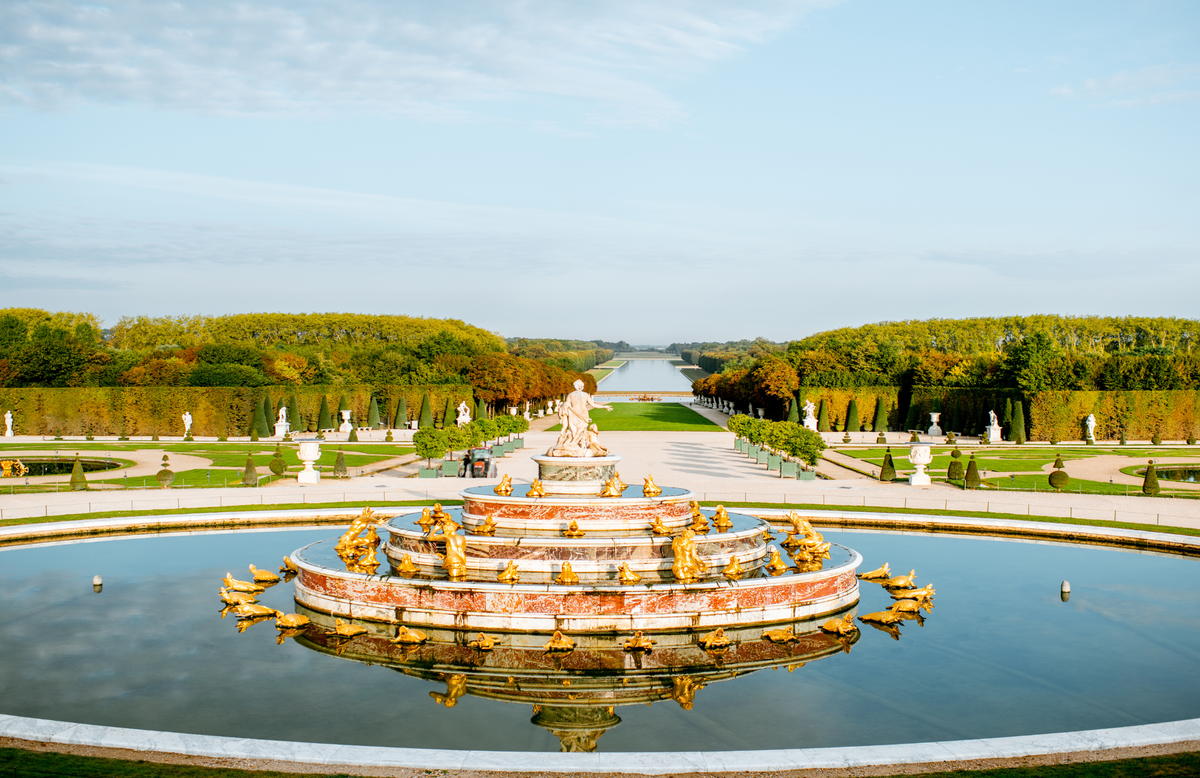
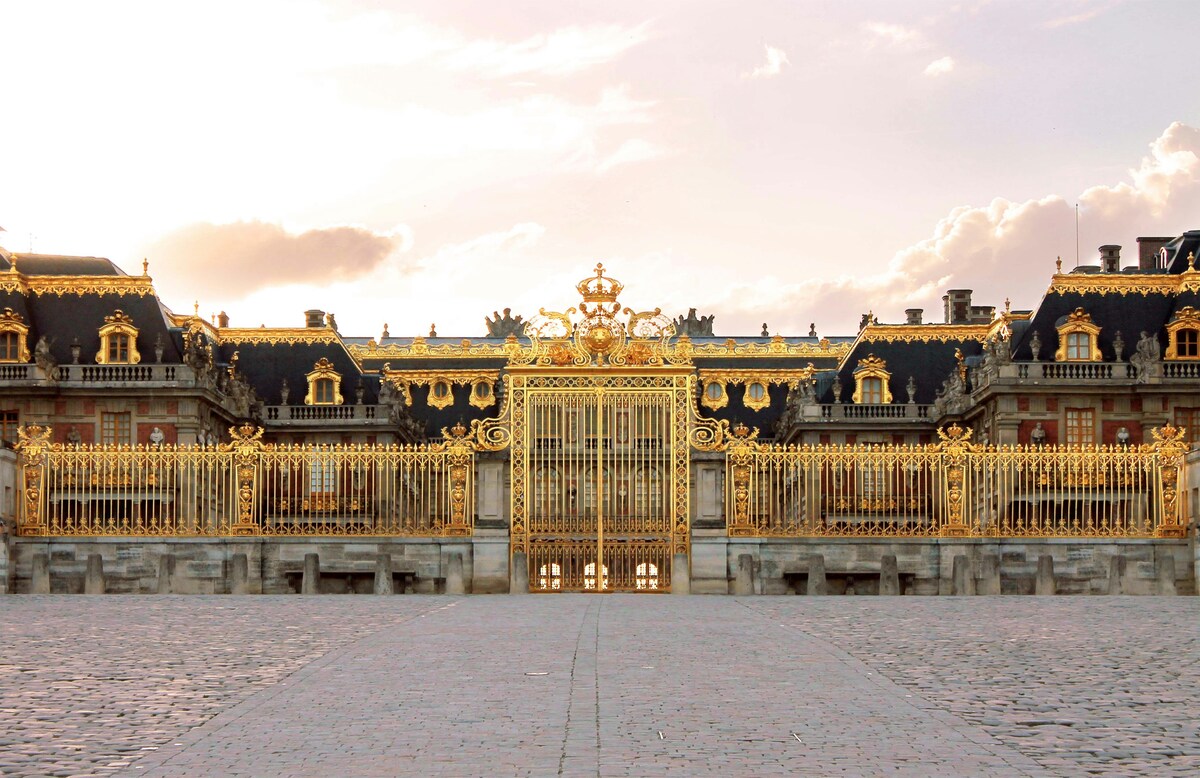
Finally, the Château de Versailles represents the pinnacle of absolute power and French artistic genius. Built from 1661 on the orders of Louis XIV, it symbolizes the power of the monarchy. With its 2,300 rooms, including the famous Hall of Mirrors, its State Apartments, and its French-style gardens spanning nearly 800 hectares, Versailles embodies a complete vision of art, urban planning, and the staging of power. Every detail, from the placement of statues and fountains to the perspectives of the avenues and secluded groves, is designed to impress, captivate, and inspire. The gardens, true masterpieces of engineering and landscape design, rhythm the estate in a symmetrical and elegant way, offering a living spectacle that changes with the seasons. Versailles is not just a place to visit. It is a total sensory and historical experience, where one fully feels the grandeur and ambition of the Sun King and his era.
Visiting these castles in succession allows one to understand the evolution of royal power, from medieval fortresses to the grandeur of the Grand Siècle, while enjoying an exceptional artistic heritage.
Royal Forests, Rivers, a Surprising Countryside at the Gates of the Capital
Contrary to popular belief, the Paris region offers great natural diversity. Forests, valleys, and rivers create an ideal setting to slow down and appreciate the environment.
Poigny-la-Foret-Source-Rambouillet Fontainebleau-Territoires
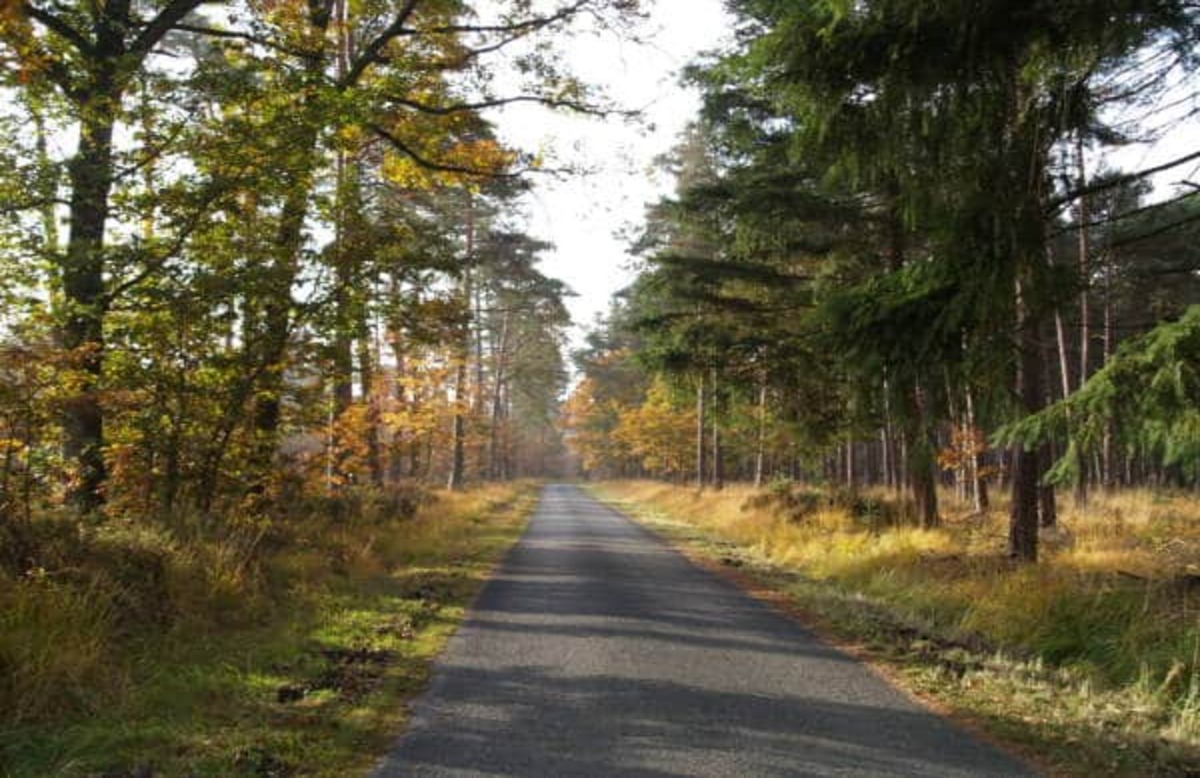
The vast Fontainebleau Forest is undoubtedly one of the most emblematic natural areas in the Île-de-France region. Its rocky terrain, tall pines, and sunlit clearings create an almost meditative atmosphere. This forest is renowned for the variety of its landscapes and invites both contemplation and gentle activity. For generations, artists and writers have found inspiration here. To the west, the Rambouillet Forest offers a different but equally appealing setting. More humid and wilder, it is home to ponds, forest meadows, and diverse wildlife. The dominant impression is one of deep calm, especially appreciated during a cycling route. The shaded forest roads allow one to savor the landscape without rushing, far from the nearby urban hustle.
The presence of the Seine also contributes to the serenity of the journey. The river shapes the territory and creates ever-changing atmospheres—river ports, tree-lined banks, shimmering reflections on the water, and villages nestled in its bends. These river landscapes have often inspired painters and photographers, drawn by their peaceful ambiance. Some villages have even gained artistic renown, notably Barbizon. Nestled at the edge of the forest, this place exudes a unique atmosphere. Flower-filled streets, old houses, art galleries, and artists’ studios continue an ancient creative tradition. One can still feel the spirit of painters seeking to capture light and natural landscapes.
Laurent Kruszyk Région Ile de France
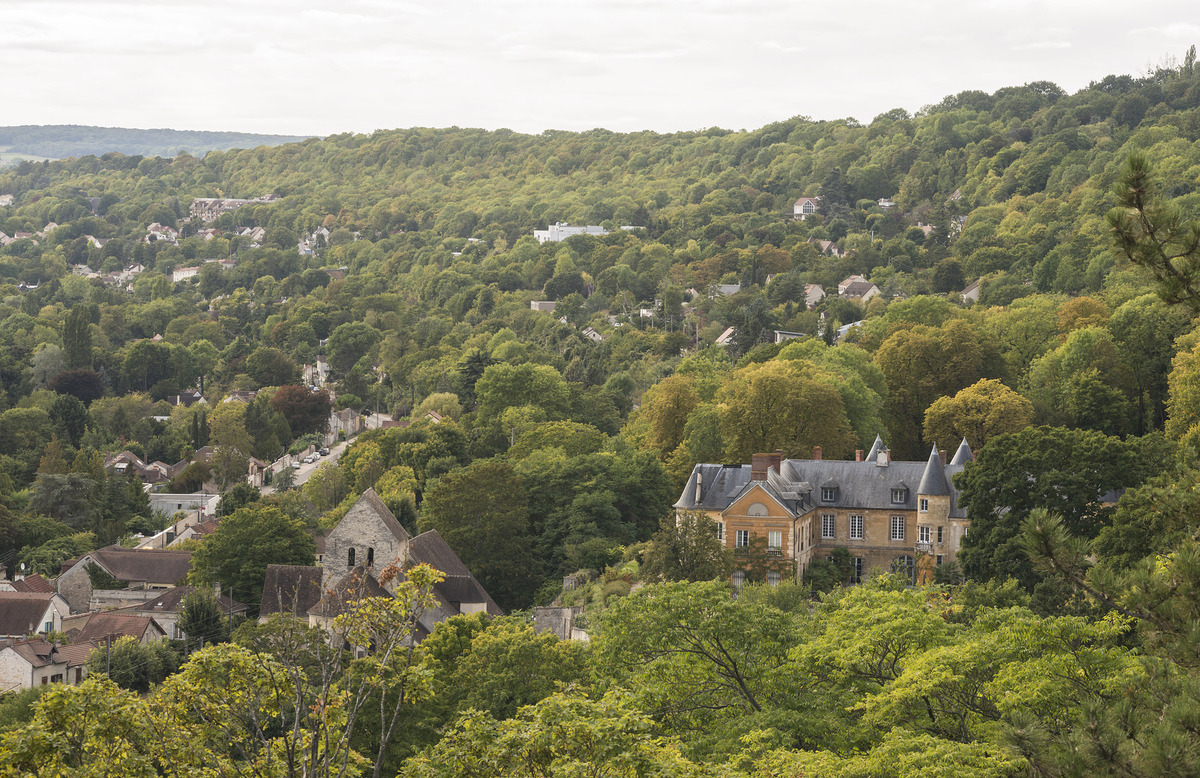
Further southwest, the Chevreuse Valley adds another dimension to the journey. Gentle hills, quiet rivers, meadows, and historic villages create a particularly charming bucolic setting. This valley offers an unexpected sense of escape so close to Paris. Hidden abbeys, rural paths, green panoramas, and rural heritage contribute to its charm. Through these landscapes, the traveler discovers a subtle region far from purely urban clichés. This alternation between preserved nature, architectural heritage, and artistic atmosphere creates a rich, soothing, and deeply inspiring experience. Exploring these landscapes ultimately reveals that the Île-de-France region is not limited to Paris—it is also a land of nature, history, and creativity.
Remarkable figures: ambition, power, and artistic inspiration
Behind the landscapes and castles surrounding Paris stand powerful historical figures. Some shaped power and architecture, while others found lasting artistic inspiration in these places. Understanding these figures adds depth to the journey.
Sandrine Expilly, Région Ile-De-France
Among the key figures is Nicolas Fouquet. He embodies both boldness and excess of the Grand Siècle. As superintendent of finances under Louis XIV, he invested heavily in art and architecture to assert his prestige. The construction of Vaux-le-Vicomte reflects this ambition. He surrounded himself with the finest artists of his time to create a residence where gardens, architecture, and interior design are in perfect dialogue. However, his fate reminds us of the fragility of power. His dramatic downfall left a lasting mark on French political history and strengthened monarchical authority. His contemporary and indirect rival, Louis XIV, naturally dominates the history of the region. The Sun King understood early on the importance of image and the staging of power. By transforming Versailles into a political and artistic capital, he created a model that influenced all of Europe. Architecture, gardens, court ceremonies, and even surrounding urban planning all contributed to this strategy. Today, his legacy still shapes the cultural identity of the Paris region.
But these landscapes did not only inspire sovereigns. They also deeply influenced artists. The Barbizon School represents a major turning point in the history of painting. In the 19th century, several artists left Paris to settle near the Fontainebleau Forest to paint directly from nature. This more spontaneous and naturalistic approach had a lasting influence on European art. Among them, Jean-François Millet stands out for his rural scenes imbued with humanity and simplicity. His paintings give new dignity to peasant life and everyday existence. Théodore Rousseau, on the other hand, devoted much of his work to forest landscapes, capturing light variations and the changing atmosphere of the woods. Their works helped transform perceptions of nature and paved the way for major artistic movements, including Impressionism.
Publimode
These figures, men of power, patrons, or artists, illustrate a common phenomenon: the Paris region has always been a space of influence, creation, and experimentation. Traveling through these places today means walking in the footsteps of those who shaped French political and cultural history, while discovering landscapes that continue to inspire visitors and creators alike.
When heritage is discovered by bicycle
This cycling journey through Île-de-France shows that the region offers far more than just proximity to Paris. It is a true mosaic of heritage, nature, and artistic inspiration. Quiet roads, picturesque villages, and historic sites invite full immersion into a world where the past and present are in dialogue. History can be read both in the stone and in the landscapes. Each turn brings a discovery, whether it is an architectural detail, a particular light filtering through the trees, or the unique atmosphere of a village. This cycling trip thus becomes a cultural experience, where one takes the time to savor the balance between grandeur and intimacy, sophistication and simplicity, art and nature. It reminds us that the Île-de-France is a living, memory-filled territory that continues to inspire and amaze all those who venture beyond its urban boundaries.