Explore France by bike in spring: from the first rays of sunshine with every pedal stroke
David Remazeilles ( Gironde Tourisme )
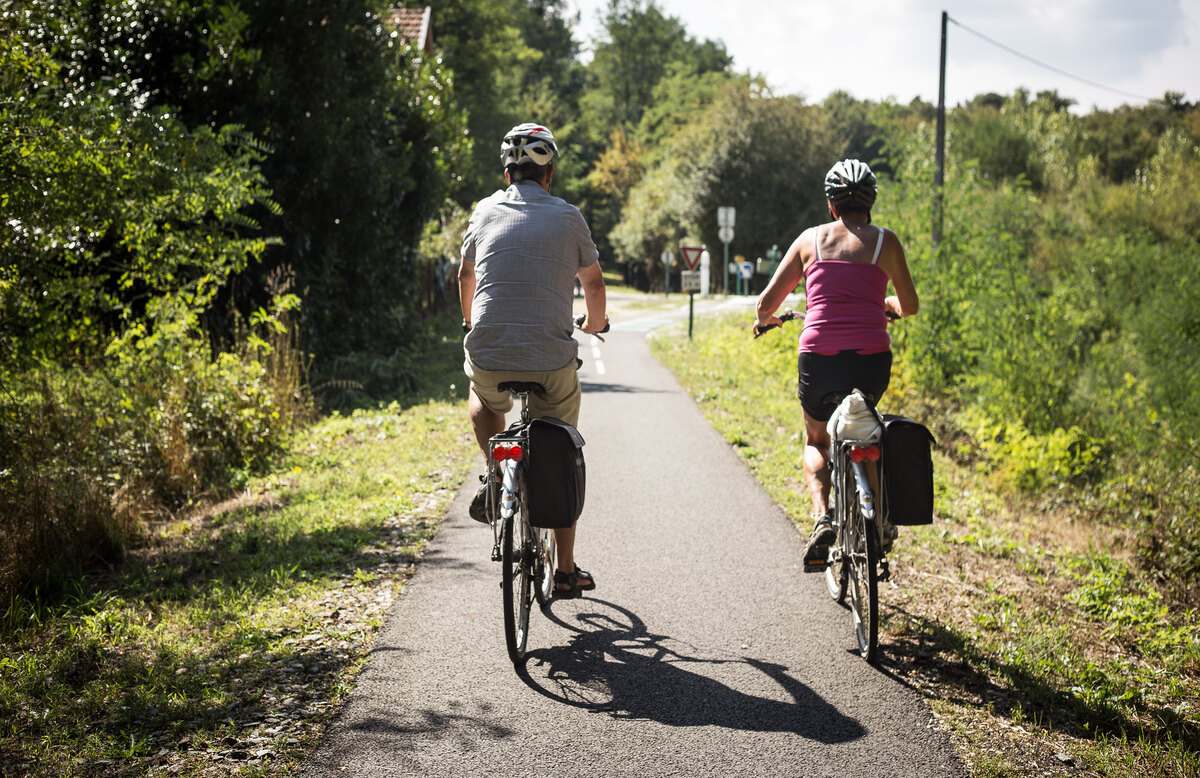
Spring is undoubtedly one of the most beautiful seasons to hop on a bike and set off to discover the French landscapes. After the winter months, nature slowly awakens: trees begin to bud, fields are dressed in vibrant shades of green, and the first flowers add color to the paths. The air is still cool but already softened by the first rays of sunshine. They provide ideal conditions for cycling long distances without suffering from the summer heat.
Traveling by bike in spring also means rediscovering regions in a new light. The roads are quieter and tourist sites are still spared from the crowds. Each stage becomes a more intimate experience. The slow pace of cycling allows you to fully absorb the landscapes, listen to the sounds of nature coming back to life, and stop whenever you feel like it in still-peaceful villages.
From the golden light of Provence to the lush vineyards of the Bordeaux region, passing through the wild Atlantic coast, France offers a diversity of routes perfectly suited for spring exploration. Every pedal stroke becomes an invitation to observe, feel, and savor details that might otherwise be missed.
1 . Provence and Camargue: cycling and boating along the Rhône
From lagoons to the Alpilles
ilona-bellotto
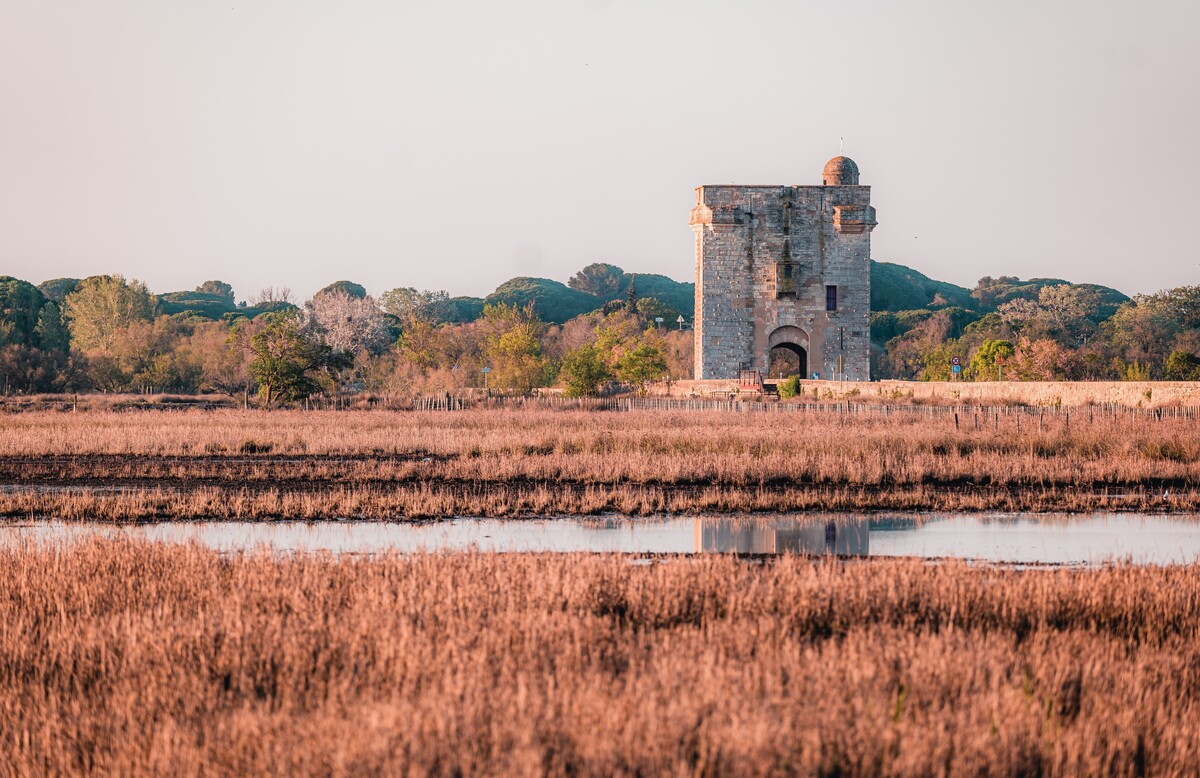
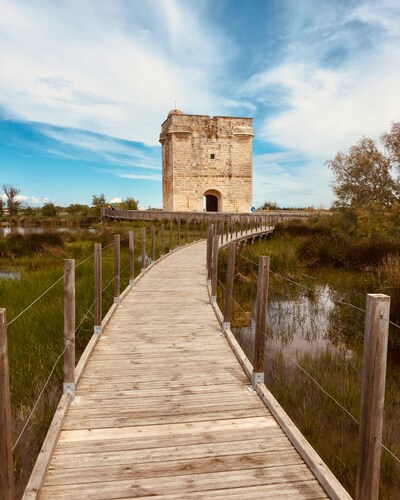
This trip combines cycling and a river cruise, from Aigues-Mortes to Avignon, over eight days. The Camargue in spring reveals itself under a blue sky. Lagoons, canals, and ponds reflect the clear light, while white horses and birds (flamingos, herons) add movement to the landscapes.
Leaving Aigues-Mortes, a fortified medieval town, the routes pass through typical villages such as La Cailar or Saint-Laurent-d’Aigouze. Continuing to pedal, the Alpilles appear, with Les Baux-de-Provence and Saint-Rémy-de-Provence. They offer panoramas of limestone hills and olive groves.
Heritage and culture
Alain-Hocquel
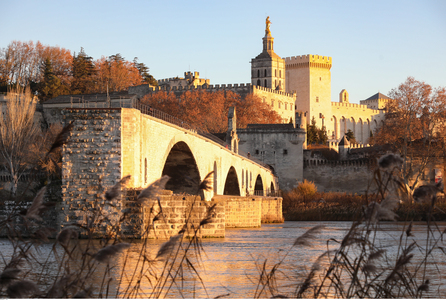
Cycling along the Rhône allows you to alternate between nature and heritage. In Arles, cyclists ride from the arenas to the ancient theater via medieval squares. The colors of the stone stand out against the clear sky, highlighting Roman and medieval architecture. The route toward Avignon allows discovery of the Pont du Gard, a Roman masterpiece, and the famous City of the Popes. Do not miss the ramparts and the historic center of Avignon.
Comfort and pace
The trip combines cycling with relaxation on a barge-hotel, allowing you to enjoy each stage. Meals on board and stops in villages provide comfortable breaks while continuing to explore Provence and the Camargue under their first spring rays.
2 . The Bordeaux Wine Route by bike: hills, estuary, and terroirs
The hills of Bordeaux
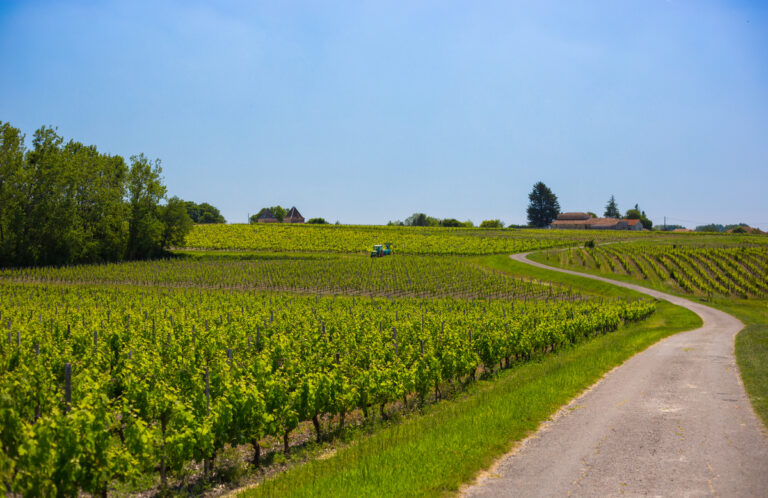
In spring, the hills of the Médoc and the Bordeaux region are covered with budding vines and green hedges. In Pauillac, cyclists can admire the façades of prestigious châteaux (Lafite Rothschild, Mouton Rothschild). The bike paths wind between rows of vines and country roads. They offer a contrast between ancient stone and the bright green of young shoots.
Gironde estuary and wine villages
Crossing the Gironde estuary toward Blaye by ferry offers a unique spectacle. It allows you to see the ramparts of the Vauban citadel in the clear spring light. Villages and vineyard slopes appear sharp and luminous. Quiet roads between vineyards and bastides provide a pleasant pace to enjoy the landscapes by bike. Cyclists can also observe the details of châteaux and villages without the summer crowds.
Saint-Emilion and Bordeaux
David Remazeilles (Gironde Tourisme)
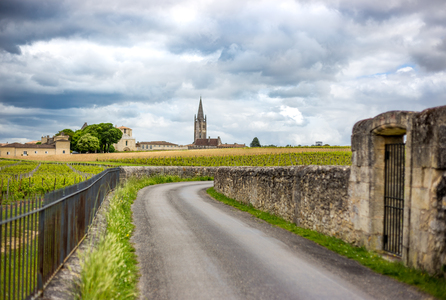
Around Saint-Émilion, the bike paths cross hills and vineyards. Famous estates such as Château Angélus and Château Pétrus stand out in the scenery. The medieval village, its cobbled streets and Romanesque churches, slowly awakens under the first spring rays.
Approaching Bordeaux, the city reveals itself in clear light, with the Garonne quays and the Place de la Bourse reflecting the brightness of the season. Cyclists can enjoy parks and gardens with the first flowers and leaves. This route offers a perfect balance between wine discovery, rural landscapes, and urban heritage.
3 . La Vélodyssée: from Île de Ré to Bordeaux
Île de Ré and its salt marshes
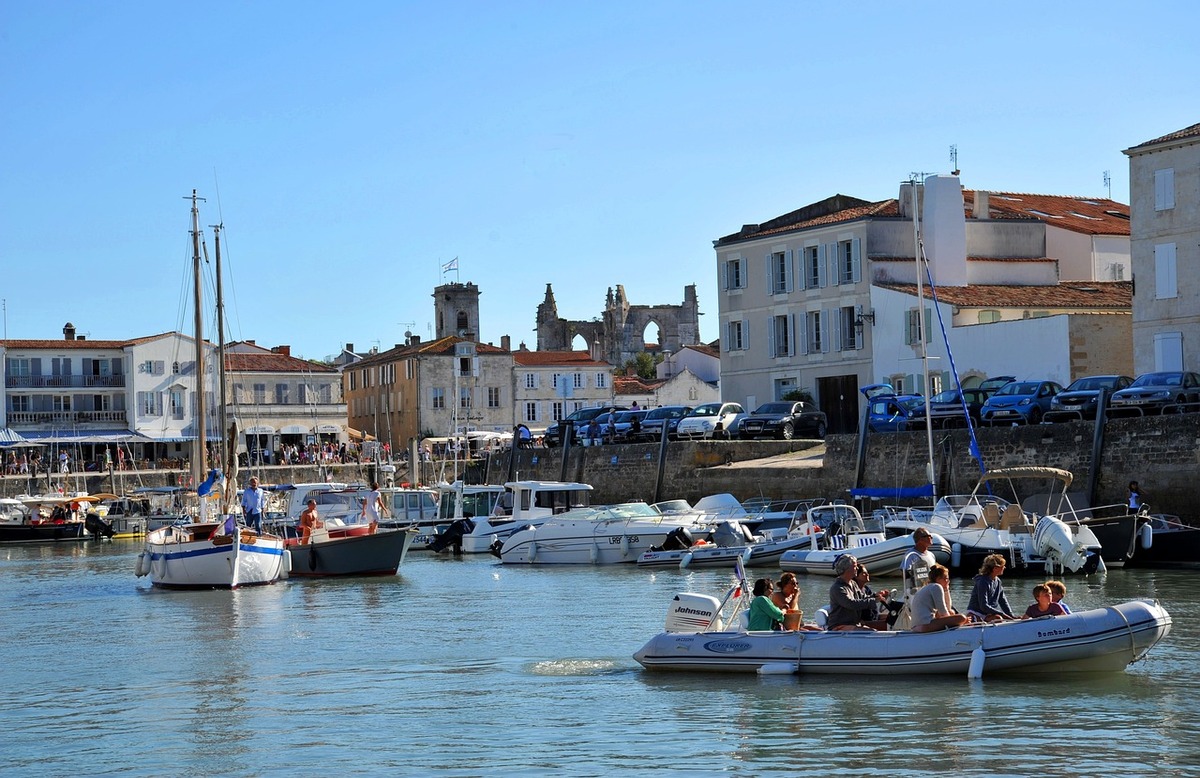
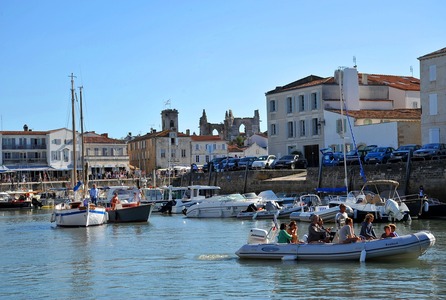
In spring, Île de Ré is particularly bright. Bike paths wind between vineyards, beaches, and salt marshes. Saint-Martin-de-Ré, the historic heart of the island, offers an essential stop with its white houses and Vauban fortifications. Cycling through its cobbled streets or along the harbor, one feels a harmony between architecture and landscapes. The first markets and sunny terraces begin to welcome visitors.
Salt marshes and basins become true mirrors of light. Spring wildlife (herons, stilts, and other birds) accompanies cyclists. The scents of salt, pine, and wildflowers complete the experience. Every pedal stroke becomes a sensory experience.
Christoph Maurer
Charente coast and estuary
Freddy
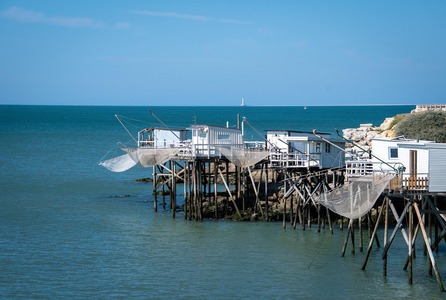
Leaving the island, the route gradually follows the Charente coast and the Gironde estuary. Cyclists follow the coast toward La Rochelle, Rochefort, Ronce-les-Bains, and Royan. The bike paths cross varied landscapes between beaches, dunes, pine forests, and estuary. Then the elegance of Belle Époque houses, fishing ports, and quays animated by spring reveals itself. Coastal villages and fishing huts stand out against the water, giving rhythm to the route. The cliffs of Meschers-sur-Gironde and Talmont-sur-Gironde offer panoramas over the water, vineyards, and surrounding villages.
Bordeaux and end of the route
Arrival in Bordeaux concludes the trip in a city illuminated by spring clarity. The Garonne quays, historic squares, and gardens show the city in a bright and calm light, perfect for ending a route combining nature, heritage, and coastal landscapes. This journey allows you to enjoy the first rays of spring sunshine while exploring varied sites, from the ocean to the vineyards.
Why choose spring for these routes
- Unique light: each ray of sunshine transforms landscapes and reveals the details of villages and monuments.
- Varied landscapes: marshes, Alpilles, estuary, hills, and vineyards reveal themselves differently in spring light.
- Accessible heritage: citadels, châteaux, medieval streets, and Roman sites appear from a new angle.
- Sensory experience: flowers, scents, and birdsong of spring accompany every pedal stroke.
- Gentle pace: fewer tourists, more freedom to stop, admire, and enjoy.
These three routes offer a journey where spring light transforms every landscape, where cycling becomes the best way to explore France. From the wild Camargue to the hills of the Bordeaux region, passing through Île de Ré and its salt marshes, each trip is a blend of nature, heritage, and luminous villages, ideal for capturing the first rays of spring sunshine.