What to Take in Your Bag for a Bike Trip?
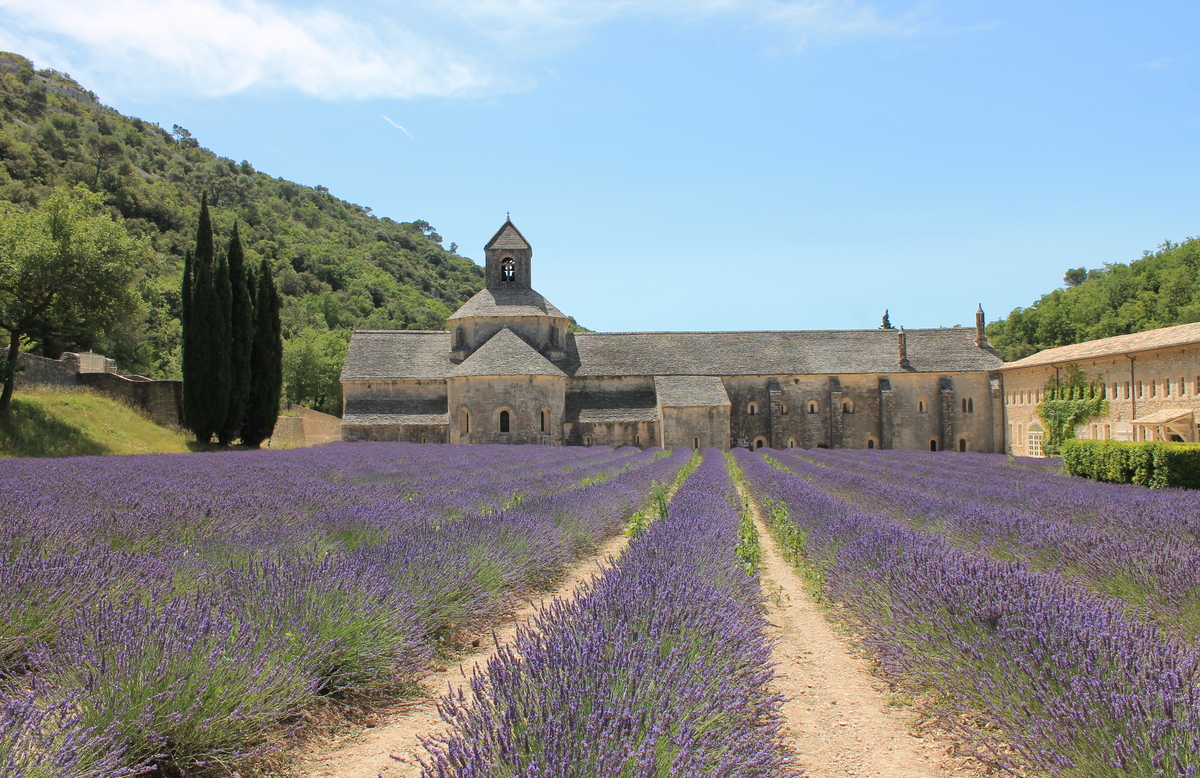
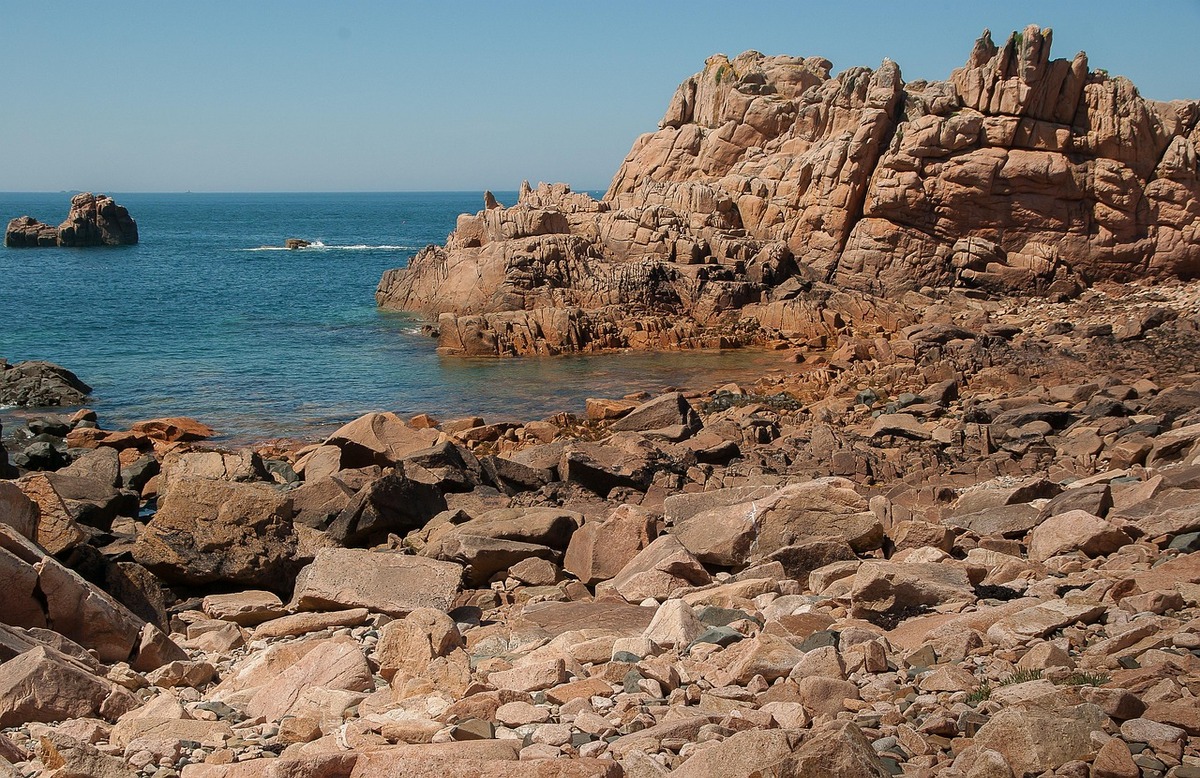
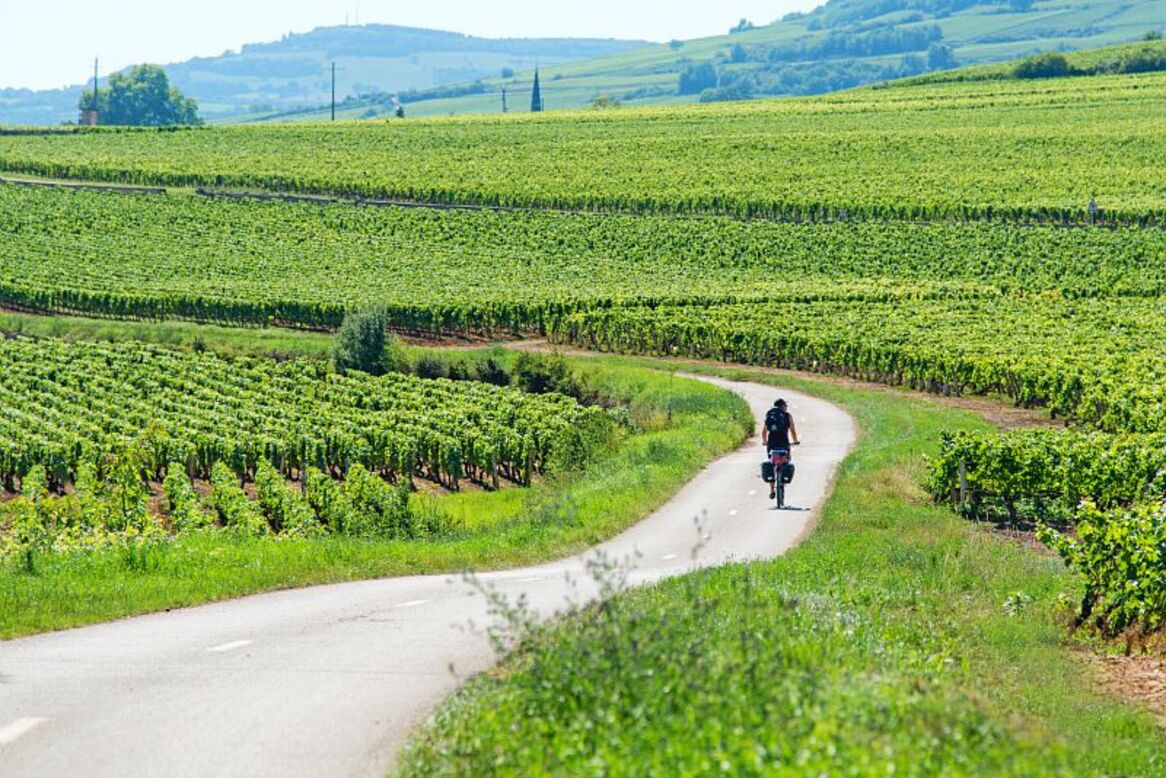
Traveling by bike is choosing freedom. It’s riding along the wild coasts of Brittany, crossing the lavender fields in Provence, winding through the vineyards in Burgundy, or gently climbing an Alpine pass. But behind this feeling of escape lies a very simple reality: everything you will need must fit… in your bags.
And they are not expandable. A standard rear bag offers an average of 20 liters of capacity, equivalent to a typical backpack. In other words, every item must be chosen carefully. The goal is not to take the maximum, but to take only what is necessary.
The essentials that make all the difference
Trip My France Bike Tours
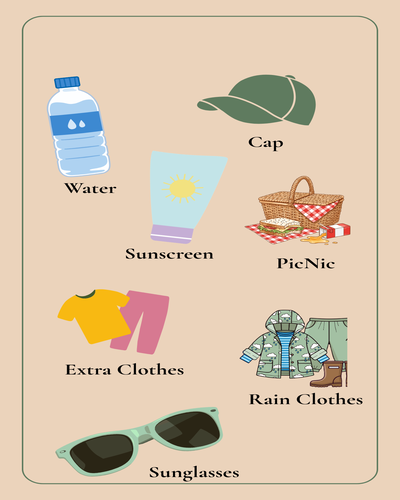
The absolute priority remains hydration. Whether you are cycling under the sun in the Luberon or on a shaded greenway along the Loire, your body in motion needs water continuously. Always plan enough, especially if your stage passes through rural areas where shops are far apart. An easily accessible water bottle avoids repeated stops and allows you to drink regularly.
Sun protection is often underestimated. Yet, whether cycling in Provence under a bright sky or in Brittany under a cloud cover, UV rays are still present. The index can even be deceptively high on cloudy days. A sunscreen slipped into an accessible pocket will save you from sunburns that could ruin several days of travel.
Sunglasses provide comfort that is especially appreciated after a few hours in the saddle: protection against wind, insects, dust, and of course glare. In open landscapes like the Burgundy vineyards or the Camargue plains, they quickly become indispensable.
Finally, do not underestimate the importance of a snack. A light picnic, some dried fruits, or an energy bar allows you to enjoy an impromptu break in front of a panorama without depending on opening hours. On a bike, freedom also comes through this autonomy.
Bike equipment: the foundation of a calm trip
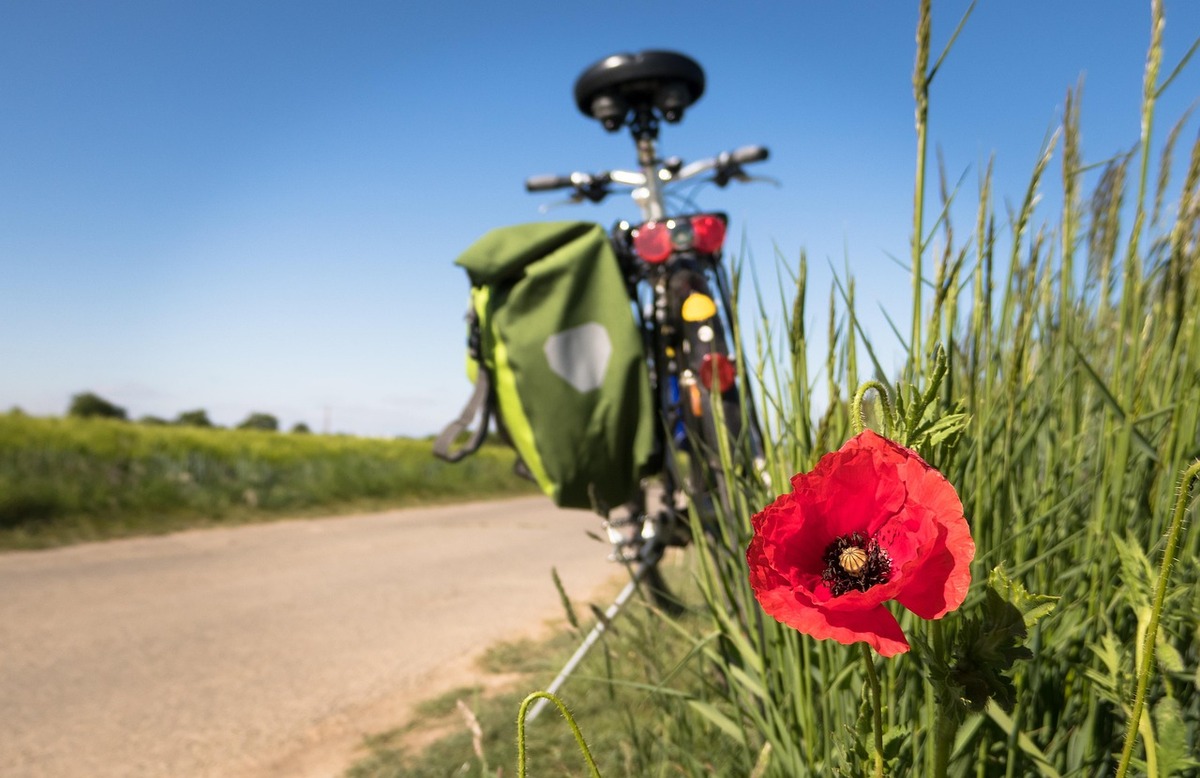
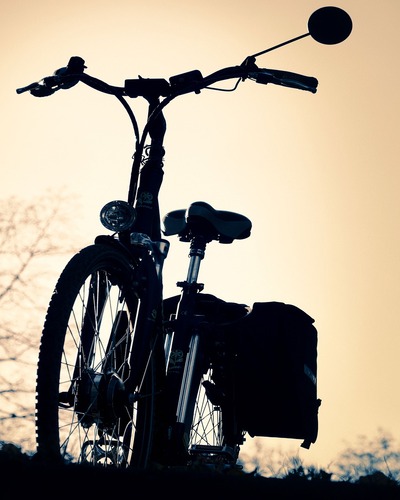
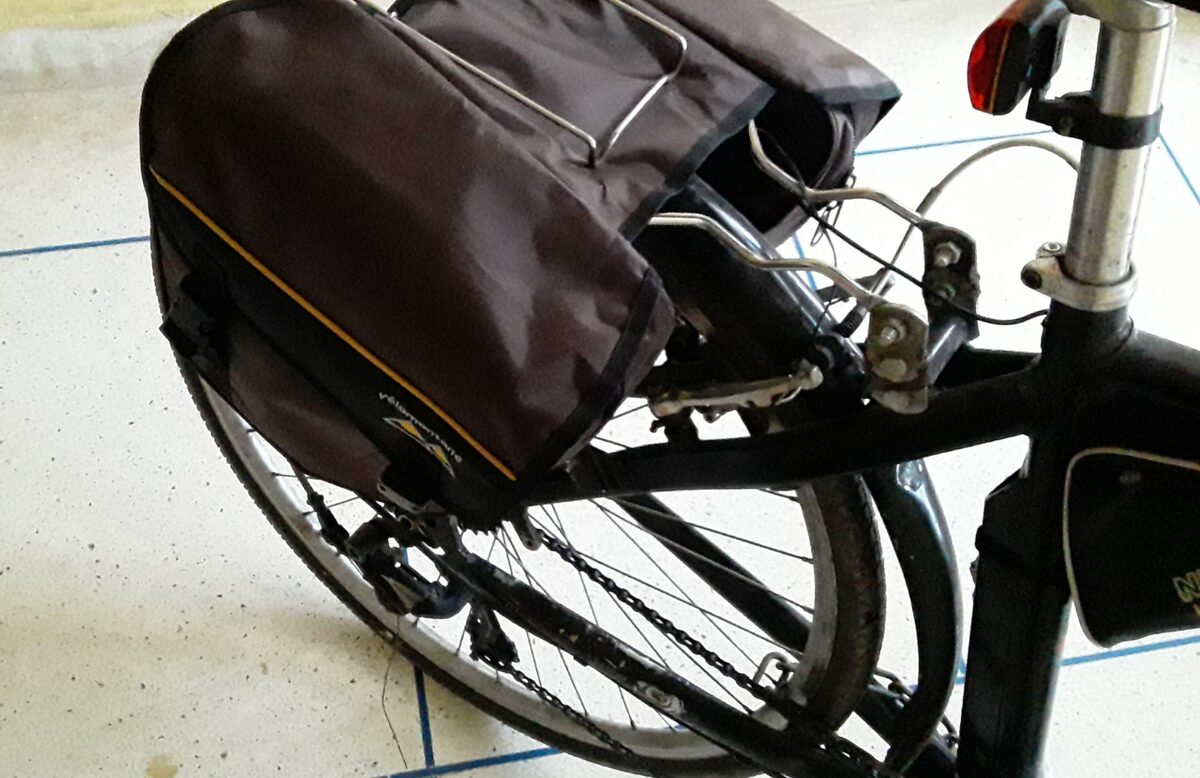
Even before talking about contents, let’s talk about containers. The distribution of bags plays a key role in pedaling comfort. The rear bag generally holds the main volume: clothes, toiletry kit, food. The front bag, smaller, is ideal for items within easy reach such as your phone, sunscreen, or sunglasses.
A well-equipped bike makes all the difference. A helmet is obviously essential for your safety. The smartphone mount, meanwhile, has become almost indispensable. It allows you to follow your GPS route without stopping every ten minutes. On a winding road in the Alps or on small streets in a city center, this fluidity changes everything.
The repair kit also deserves its place. An inner tube, a tire lever, and a mini pump take up little space but can prevent a complicated situation, especially on isolated roads. Better to have them without ever using them than the opposite.
The golden rule remains weight distribution: heavy items should be placed at the bottom of the bags and as close as possible to the bike’s axis to maintain balance. Poorly distributed loading is immediately noticeable, especially downhill or in crosswinds.
Albrecht Fietz
Dress light, think practical
Traveling by bike requires a minimalist wardrobe. The idea is not to multiply outfits, but to choose technical, breathable, and easy-to-wash clothing. One comfortable outfit for after cycling is generally enough, accompanied by suitable underwear and quality socks.
Rain gear must be light and compressible. Even if the weather forecasts sun, a shower can surprise you, especially in the West or mountainous areas. A thin jacket that slips easily into a bag will prevent you from being soaked for the rest of the day.
Versatility is your best ally. A quick-drying garment can be washed in the evening and reused the next day. This significantly reduces the volume you carry.
What is better not to bring
Before filling your bags, ask yourself a simple question: do you plan to visit museums, castles, or tourist sites along the way? Not all of them have luggage storage. And bike bags generally do not lock.
Il est donc déconseillé d’y laisser des objets de valeur. Bijoux, ordinateur portable, documents importants ou grosses sommes d’argent n’ont pas leur place dans un équipement de cyclotourisme. De même, les objets fragiles sont à éviter. Transporter une bouteille de vin dans les vignobles de Bourgogne peut sembler tentant, mais une chute ou un choc suffisent à transformer ce souvenir en casse-tête… et en nettoyage imprévu.
Flammable products or those particularly sensitive to temperature variations should also be avoided. The bag endures shocks, vibrations, and sometimes direct sunlight.
Finding the right balance
A successful bike trip rests on a simple idea: balance. Being sufficiently equipped to handle the unexpected, while maintaining the lightness that makes the experience enjoyable. Every extra kilo is felt after several hours of cycling, especially uphill.
Traveling light does not mean traveling unprepared. It means traveling smart.
At Trip My France Bike Tours, we support our travelers so they can fully enjoy their stay, with practical advice tailored to each itinerary, whether it crosses the Atlantic beaches, wine valleys, or mountain roads.
So… ready to pack your bags and set off on an adventure with a light heart? 🚴♂️